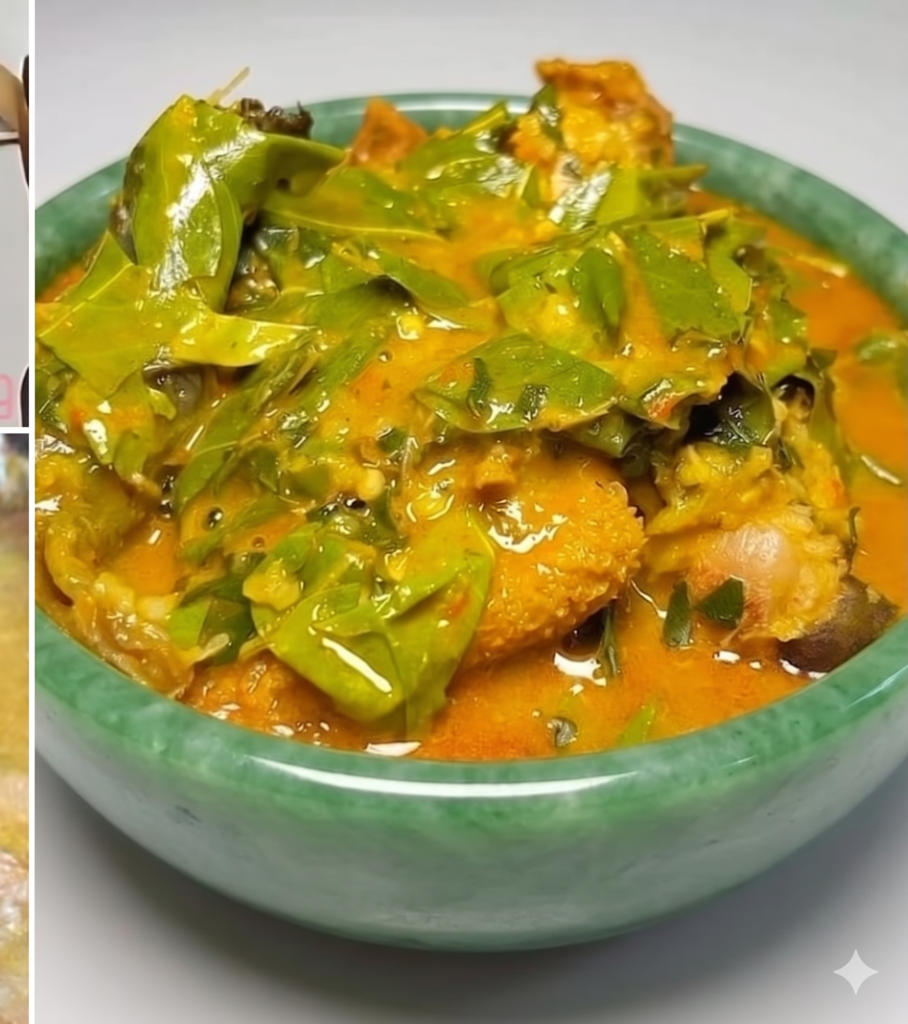
Oha Soup — known as Ofe Oha in Igbo — is one of the crown jewels of south-eastern Nigerian cooking. This silky, deeply flavoured soup is made with fresh oha (ora) leaves and thickened with cocoyam to give it that signature velvety richness that no other West African soup can quite match. In Igboland, a pot of Oha Soup means something: it appears at naming ceremonies, traditional weddings, and Sunday afternoon tables wherever family gathers. Today, it is just as beloved in Nigerian homes across the UK, warming cold British evenings and bringing Igbo kitchens to life from London to Manchester.
What makes this soup truly unforgettable is the combination of tender assorted meats, stockfish, periwinkle, and that gorgeous cocoyam-thickened broth that clings to every piece. The oha leaves — always torn by hand, never cut — add a beautiful, slightly earthy flavour and turn the pot a stunning deep green as they soften into the sauce. A generous measure of ground crayfish, a whisper of ogiri, and freshly blended scotch bonnet pepper round everything out into something that makes people go quiet on the very first spoonful.
Everything you need for a pot of authentic Oha Soup is available at Awuf Afro Store — fresh oha leaves, assorted meats, palm oil, ground crayfish, cocoyam flour, stockfish, periwinkle, and more, all delivered straight to your door anywhere in the UK. Let’s cook.
Ingredients
Serves 4-6
| Quantity | Ingredient |
|---|---|
| 2 large handfuls | Fresh Oha (Ora) Leaves (stems removed, torn into strips by hand — never cut with a knife) |
| 250g | Cocoyam Flour (thickener) (mixed with cold water to a smooth lump-free paste) |
| 1kg | Assorted Meats (washed and seasoned) |
| 80g | Stockfish (Okporoko) (soaked overnight until soft, then rinsed well) |
| 100g | Dried Catfish Fillet (Eja Osan) (rinsed and checked for bones) |
| 3 tablespoons | Ground Crayfish |
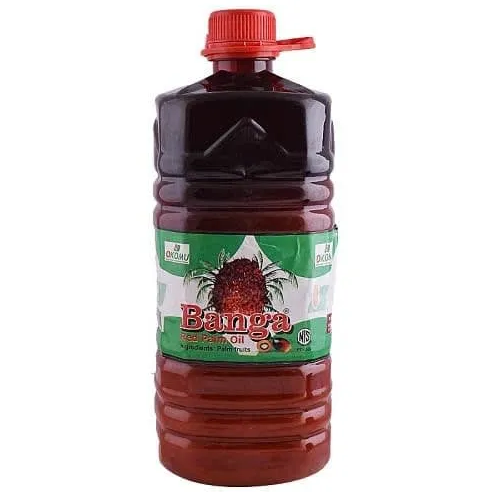
| 4 tablespoons | Red Palm Oil |
| 2–3 peppers | Fresh Scotch Bonnet Peppers (blended smooth) |
| 1 medium | Red Onion (roughly diced, for cooking the meats) |
| 200g | Periwinkle (Isam) (cleaned and rinsed) |
| 1 teaspoon | Ogiri (fermented seeds) (for deep umami flavour) |
| small handful | Fresh Utazi Leaves (thinly sliced — adds a gentle pleasant bitterness) |
| 2 cubes | Knorr Beef Seasoning Cubes |
| to taste | Salt |
Add Ingredients to Your Basket
Tick the items you need and add them all at once:
Method
- Season and cook the meats (45–50 minutes): Wash the assorted meats thoroughly and place in a large, heavy-bottomed pot. Season with 1 Knorr Beef cube, salt to taste, and the diced red onion. Pour in just enough cold water to cover the meat — about 800ml. Bring to the boil, then reduce to a steady medium heat and cook for 45–50 minutes until the meats are fully tender. Add the soaked, rinsed stockfish and the Awuf Dried Catfish Fillet in the last 20 minutes of cooking, so they soften without falling apart entirely.
- Prepare the cocoyam thickener (5 minutes): While the meats cook, pour the Delex Cocoyam Flour into a bowl and gradually add cold water, whisking to form a smooth, lump-free paste — roughly the consistency of thick pancake batter. Set aside. If you prefer the traditional method, roll the paste into small round balls in your palms ready to drop in one by one.
- Build the soup base (10 minutes): Once the meat is cooked and tender, check the stock level. You want roughly 600–750ml of rich broth in the pot — add a little boiling water if needed. Add the 4 tablespoons of palm oil and the blended scotch bonnet pepper. Stir, leave uncovered, and cook on medium heat for 10 minutes, stirring occasionally, until the pepper is cooked through and the oil blooms into a rich amber broth.
- Add crayfish and ogiri (2 minutes): Stir in the 3 tablespoons of Awuf Grounded Crayfish and the teaspoon of Awuf Ogiri. The aroma will deepen immediately — this is the moment the soup starts to smell properly Nigerian. Crumble in the second Knorr Beef cube, taste, and adjust salt. Stir well to combine.
- Thicken the soup (15 minutes): Lower the heat to medium-low. Give the cocoyam paste a final stir and pour it slowly into the simmering soup while stirring continuously to prevent lumps from forming. If using cocoyam balls, drop them in one by one with a spoon. Cook for 15 minutes, stirring every few minutes, until the soup thickens to a silky, glossy, coating consistency and the raw cocoyam taste has completely cooked out.
- Add the periwinkle (5 minutes): Add the cleaned periwinkle to the pot. Stir gently and cook for 5 minutes. The periwinkle adds wonderful texture and a subtle sweetness that lifts the whole soup.
- Add the oha leaves and utazi (3 minutes): Tear the fresh oha leaves into strips by hand — do not use a knife, as cutting with metal causes the leaves to darken and can give a slightly bitter, metallic edge. Add the torn oha leaves and the thinly sliced utazi leaves to the pot. Stir gently to distribute them through the soup. Cook for just 3 minutes — oha leaves need very little time and should stay a vibrant green.
- Taste, finish, and serve: Give the soup a final taste and adjust seasoning if needed. The finished Oha Soup should be thick, glossy, and deeply fragrant — a rich amber broth with beautiful green oha ribbons throughout and tender pieces of meat and fish at every turn. Serve immediately and hot with pounded yam, semovita, or eba (garri).
Tips & Variations
- Always tear oha leaves by hand — never cut them with a knife. This is the most important rule of Oha Soup. Metal reacts with the oha leaf, causing it to turn dark and slightly bitter. Your hands are the correct tool, and the torn edges actually give the leaves a better texture in the soup.
- For the richest flavour, use the meat stock generously. Resist the urge to drain it away — that stock is pure gold. If your meats released a lot of water during cooking, simply reduce the stock on high heat for a few minutes before building the soup base on top of it.
- Oha Soup improves overnight. If you are cooking for a gathering, make the pot a day ahead and refrigerate without the oha leaves. Reheat the next day, then tear and stir in fresh oha leaves during the final 3 minutes of reheating to keep the colour bright and flavour vivid.